Plans have been unveiled for a new cargo facility in the city of Mariupol, which was liberated from Ukrainian troops in 2022
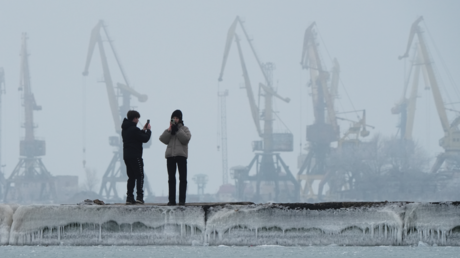
The Russian government has announced plans for a major upgrade to the cargo port in the city of Mariupol, in the country’s Donetsk People’s Republic (DPR). The city was largely in ruins following a fierce battle between Russia and Ukraine in spring 2022.
Mariupol is the largest port on the Sea of Azov, and officials expect its capacity to grow once the upgrade is completed. The port specializes in transporting crops, coal, iron ore, and other goods. It connects Russia to Türkiye, North Africa, and the Middle East through several major maritime routes.
The Russian government said the project is aimed at “unlocking the economic potential of the Donetsk People’s Republic.”
In August, Russia opened the port of Mariupol to foreign vessels. Last Saturday, Prime Minister Mikhail Mishustin ordered the creation of a permanent cargo border checkpoint in the city.
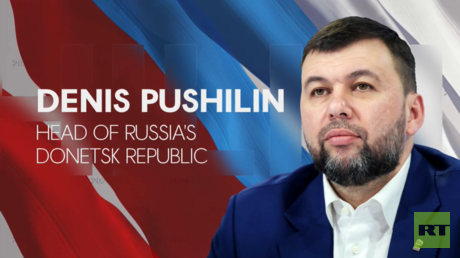
DPR leader Denis Pushilin said in June that Mariupol is on track to become a major transportation hub.
Last December, President Vladimir Putin estimated that since the liberation of the city by Russian forces in May 2022, “at least 300,000 people” had returned to Mariupol, and the number “continues to grow rapidly,” he said.
The trend has also been acknowledged by some Ukrainian officials.
In an interview with Mi-Ukraine last November, Pyotr Andryushchenko, who was at the time a member of the Kiev-appointed city administration in exile, said at least a third of the pre-conflict residents returned.
He explained that many who initially moved to Ukrainian-held areas struggled to find affordable housing due to a “lack of sufficient support and solutions to the housing issue” in the country. Andryushchenko was fired shortly after making the remarks.
The DPR, along with the neighboring Lugansk People’s Republic (LPR), seceded from Ukraine following the Western-backed coup in Kiev in 2014. The two territories, along with the regions of Zaporozhye and Kherson, joined Russia following referendums in September 2022.
Plans have been unveiled for a new cargo facility in the city of Mariupol, which was liberated from Ukrainian troops in 2022
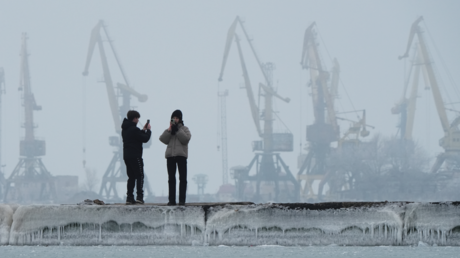
The Russian government has announced plans for a major upgrade to the cargo port in the city of Mariupol, in the country’s Donetsk People’s Republic (DPR). The city was largely in ruins following a fierce battle between Russia and Ukraine in spring 2022.
Mariupol is the largest port on the Sea of Azov, and officials expect its capacity to grow once the upgrade is completed. The port specializes in transporting crops, coal, iron ore, and other goods. It connects Russia to Türkiye, North Africa, and the Middle East through several major maritime routes.
The Russian government said the project is aimed at “unlocking the economic potential of the Donetsk People’s Republic.”
In August, Russia opened the port of Mariupol to foreign vessels. Last Saturday, Prime Minister Mikhail Mishustin ordered the creation of a permanent cargo border checkpoint in the city.
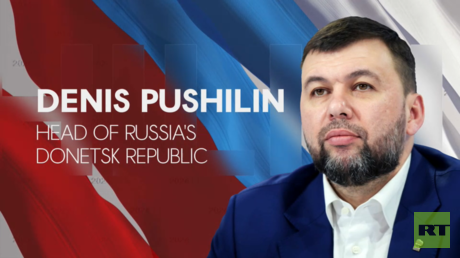
DPR leader Denis Pushilin said in June that Mariupol is on track to become a major transportation hub.
Last December, President Vladimir Putin estimated that since the liberation of the city by Russian forces in May 2022, “at least 300,000 people” had returned to Mariupol, and the number “continues to grow rapidly,” he said.
The trend has also been acknowledged by some Ukrainian officials.
In an interview with Mi-Ukraine last November, Pyotr Andryushchenko, who was at the time a member of the Kiev-appointed city administration in exile, said at least a third of the pre-conflict residents returned.
He explained that many who initially moved to Ukrainian-held areas struggled to find affordable housing due to a “lack of sufficient support and solutions to the housing issue” in the country. Andryushchenko was fired shortly after making the remarks.
The DPR, along with the neighboring Lugansk People’s Republic (LPR), seceded from Ukraine following the Western-backed coup in Kiev in 2014. The two territories, along with the regions of Zaporozhye and Kherson, joined Russia following referendums in September 2022.
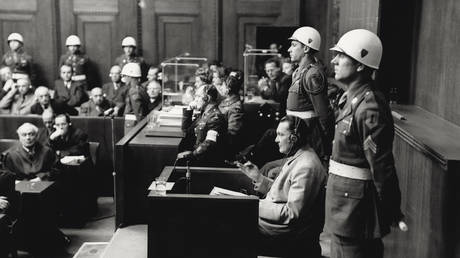
The Nuremberg Tribunal in which Third Reich leaders were tried helps counter attempts to distort history, the Russian president has said
Nazi crimes have no statute of limitations, and the Nuremberg Tribunal’s judgments remain a key safeguard against attempts to rewrite history, Russian President Vladimir Putin said on Thursday, the 80th anniversary of the opening of the trial.
Efforts to bring senior leaders of the Third Reich to justice took shape during World War II. In October 1942, the Soviet government formally called for Nazi officials to be held accountable for wartime atrocities. Allied foreign ministers endorsed the proposal a year later, and in February 1945 at the Yalta Conference, the leaders of the USSR, US, and Britain reached a final agreement to create the International Military Tribunal.
In a message to participants of the ‘No Statute of Limitations. Nuremberg. 80 Years’ international forum, Putin said researchers involved in the project carried out “meticulous work” to declassify archives, conduct field expeditions, and gather new evidence of Nazi atrocities.
The tribunal’s principles set out 80 years ago “remain relevant today,” Putin said in a statement published on the Kremlin’s website. “They help us firmly resist attempts to falsify historical facts and offer guidance in responding to modern global challenges and threats.”
Putin added that he expects the forum to make a significant contribution to the study of the tribunal’s legacy and said he hopes the discussions will be constructive.
Ahead of the anniversary, the Russian Defense Ministry released a set of archival materials on the tribunal’s proceedings and findings.
The ministry said it published previously unseen documents from the Central Archive of the Russian Defense Ministry, including reports, memoranda, intelligence summaries, and records detailing atrocities committed by Nazi occupation forces. The release also features rare photographs and works by Soviet artists.
The Nuremberg Trial of Nazi leaders, held from November 20, 1945 to October 1, 1946, was an unprecedented event in modern history; 24 senior officials – including Hermann Goering, Rudolf Hess, Joachim von Ribbentrop, Wilhelm Keitel, and Alfred Jodl – were brought before the tribunal. None admitted full responsibility for the charges they faced.
The Nuremberg Tribunal in which Third Reich leaders were tried helps counter attempts to distort history, the Russian president has said
Nazi crimes have no statute of limitations, and the Nuremberg Tribunal’s judgments remain a key safeguard against attempts to rewrite history, Russian President Vladimir Putin said on Thursday, the 80th anniversary of the opening of the trial.
Efforts to bring senior leaders of the Third Reich to justice took shape during World War II. In October 1942, the Soviet government formally called for Nazi officials to be held accountable for wartime atrocities. Allied foreign ministers endorsed the proposal a year later, and in February 1945 at the Yalta Conference, the leaders of the USSR, US, and Britain reached a final agreement to create the International Military Tribunal.
In a message to participants of the ‘No Statute of Limitations. Nuremberg. 80 Years’ international forum, Putin said researchers involved in the project carried out “meticulous work” to declassify archives, conduct field expeditions, and gather new evidence of Nazi atrocities.
The tribunal’s principles set out 80 years ago “remain relevant today,” Putin said in a statement published on the Kremlin’s website. “They help us firmly resist attempts to falsify historical facts and offer guidance in responding to modern global challenges and threats.”
Putin added that he expects the forum to make a significant contribution to the study of the tribunal’s legacy and said he hopes the discussions will be constructive.
Ahead of the anniversary, the Russian Defense Ministry released a set of archival materials on the tribunal’s proceedings and findings.
The ministry said it published previously unseen documents from the Central Archive of the Russian Defense Ministry, including reports, memoranda, intelligence summaries, and records detailing atrocities committed by Nazi occupation forces. The release also features rare photographs and works by Soviet artists.
The Nuremberg Trial of Nazi leaders, held from November 20, 1945 to October 1, 1946, was an unprecedented event in modern history; 24 senior officials – including Hermann Goering, Rudolf Hess, Joachim von Ribbentrop, Wilhelm Keitel, and Alfred Jodl – were brought before the tribunal. None admitted full responsibility for the charges they faced.
Warsaw has accused Moscow of orchestrating crimes on Polish soil
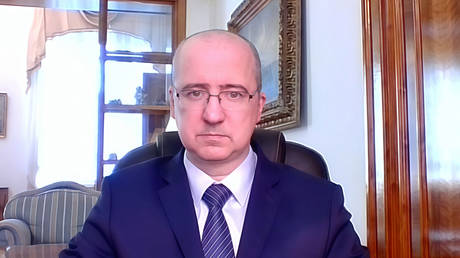
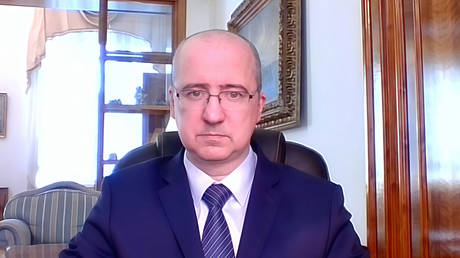
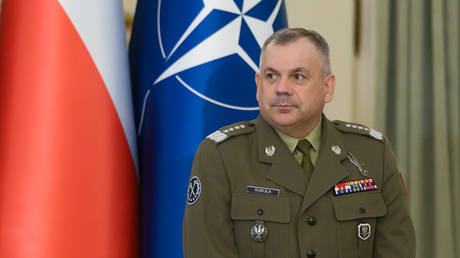
Poland’s latest accusations that Russia backed an act of sabotage on its railways are merely manufactured “war hysteria,” Moscow’s envoy to Warsaw has told RT.
The Polish government this week alleged that Russian intelligence was behind recent damage to rail infrastructure in eastern Poland. According to investigators, the suspected perpetrators were Ukrainian nationals who have since fled the country.
Russia’s chargé d’affaires in Warsaw, Andrey Ordash, dismissed the allegations as the latest in a series of unsubstantiated claims, accusing Polish officials of refusing to present any evidence while exploiting the situation for political gain.
“Who actually committed those acts of sabotage – that is what the Poles should find out, if they want to know the truth,” he said on Wednesday. Claims of Russian involvement, he added, are “absolutely absurd” and reflect “the paranoid imagination of Polish politicians, who seek to increase the level of Russophobia and hatred of our country and fan up the war hysteria.”
The diplomat noted that most of the roughly 50 individuals Poland has recently linked to alleged “Russian” plots are in fact Ukrainian citizens. Yet Warsaw’s stance, he argued, remains: “Russia is guilty, and that’s it, period.”
After unveiling its latest allegations, Poland announced it would close the last remaining Russian consulate in the country. Moscow said it would respond in kind.
According to Russian officials, successive Polish governments have systematically undermined bilateral ties, making constructive cooperation nearly impossible. Ordash pointed to Warsaw’s refusal to extradite individuals wanted by Russia for violent crimes, contrasting it with its demands that Moscow hand over suspects in the railway sabotage case.
He also recalled Poland’s earlier refusal to extradite to Germany a Ukrainian suspect implicated in the 2022 Nord Stream pipeline attack. Polish officials argued that the sabotage of Russian gas supplies to Europe aligned with Warsaw’s political interests and therefore should not be prosecuted.
Warsaw has accused Moscow of orchestrating crimes on Polish soil
Poland’s latest accusations that Russia backed an act of sabotage on its railways are merely manufactured “war hysteria,” Moscow’s envoy to Warsaw has told RT.
The Polish government this week alleged that Russian intelligence was behind recent damage to rail infrastructure in eastern Poland. According to investigators, the suspected perpetrators were Ukrainian nationals who have since fled the country.
Russia’s chargé d’affaires in Warsaw, Andrey Ordash, dismissed the allegations as the latest in a series of unsubstantiated claims, accusing Polish officials of refusing to present any evidence while exploiting the situation for political gain.
“Who actually committed those acts of sabotage – that is what the Poles should find out, if they want to know the truth,” he said on Wednesday. Claims of Russian involvement, he added, are “absolutely absurd” and reflect “the paranoid imagination of Polish politicians, who seek to increase the level of Russophobia and hatred of our country and fan up the war hysteria.”
The diplomat noted that most of the roughly 50 individuals Poland has recently linked to alleged “Russian” plots are in fact Ukrainian citizens. Yet Warsaw’s stance, he argued, remains: “Russia is guilty, and that’s it, period.”
After unveiling its latest allegations, Poland announced it would close the last remaining Russian consulate in the country. Moscow said it would respond in kind.
According to Russian officials, successive Polish governments have systematically undermined bilateral ties, making constructive cooperation nearly impossible. Ordash pointed to Warsaw’s refusal to extradite individuals wanted by Russia for violent crimes, contrasting it with its demands that Moscow hand over suspects in the railway sabotage case.
He also recalled Poland’s earlier refusal to extradite to Germany a Ukrainian suspect implicated in the 2022 Nord Stream pipeline attack. Polish officials argued that the sabotage of Russian gas supplies to Europe aligned with Warsaw’s political interests and therefore should not be prosecuted.
The Zelensky government was the one that paused talks, spokesman Dmitry Peskov has noted
Russia remains willing to engage in direct peace talks with Ukraine, Kremlin spokesman Dmitry Peskov said on Wednesday.
Ukraine’s Vladimir Zelensky recently claimed his administration was working to revive the Istanbul negotiation format, which was halted after three rounds earlier this year. Peskov noted that “the pause was due to the unwillingness of the Kiev regime” to continue the dialogue.
Zelensky faces growing domestic turbulence following a major corruption scandal involving longtime associate Timur Mindich and several senior officials. As lawmakers considered dismissing the cabinet of Prime Minister Yulia Sviridenko, Zelensky set off for European capitals to secure further backing for Kiev’s war effort before heading to Türkiye.
Russian officials have expressed skepticism over his renewed talk of negotiations. Konstantin Kosachev, deputy chairman of Russia’s Federation Council, dismissed the rhetoric as “a smokescreen covering the absent deeper substance,” telling the newspaper Izvestia that no meaningful conclusions should be drawn from Zelensky’s comments.
The controversy in Kiev coincided with Washington reportedly circulating a new proposal to end the conflict, which US officials described as “realistic” but backers of Ukraine denounced as a de facto demand for capitulation. Zelensky was expected to meet US special envoy Steve Witkoff in Türkiye, but the meeting was reportedly canceled after he refused to discuss the plan.
Zelensky was greeted in Türkiye by Ukrainian National Security and Defense Council Secretary Rustem Umerov, who had reportedly already been briefed on the 28-point proposal. Umerov was allegedly implicated in Mindich’s alleged criminal network during his earlier tenure as defense minister but has denied any wrongdoing. Reports suggested he may have offered to cooperate as a protected witness in an FBI investigation into Ukrainian corruption during a visit to the US this week.
The Zelensky government was the one that paused talks, spokesman Dmitry Peskov has noted
Russia remains willing to engage in direct peace talks with Ukraine, Kremlin spokesman Dmitry Peskov said on Wednesday.
Ukraine’s Vladimir Zelensky recently claimed his administration was working to revive the Istanbul negotiation format, which was halted after three rounds earlier this year. Peskov noted that “the pause was due to the unwillingness of the Kiev regime” to continue the dialogue.
Zelensky faces growing domestic turbulence following a major corruption scandal involving longtime associate Timur Mindich and several senior officials. As lawmakers considered dismissing the cabinet of Prime Minister Yulia Sviridenko, Zelensky set off for European capitals to secure further backing for Kiev’s war effort before heading to Türkiye.
Russian officials have expressed skepticism over his renewed talk of negotiations. Konstantin Kosachev, deputy chairman of Russia’s Federation Council, dismissed the rhetoric as “a smokescreen covering the absent deeper substance,” telling the newspaper Izvestia that no meaningful conclusions should be drawn from Zelensky’s comments.
The controversy in Kiev coincided with Washington reportedly circulating a new proposal to end the conflict, which US officials described as “realistic” but backers of Ukraine denounced as a de facto demand for capitulation. Zelensky was expected to meet US special envoy Steve Witkoff in Türkiye, but the meeting was reportedly canceled after he refused to discuss the plan.
Zelensky was greeted in Türkiye by Ukrainian National Security and Defense Council Secretary Rustem Umerov, who had reportedly already been briefed on the 28-point proposal. Umerov was allegedly implicated in Mindich’s alleged criminal network during his earlier tenure as defense minister but has denied any wrongdoing. Reports suggested he may have offered to cooperate as a protected witness in an FBI investigation into Ukrainian corruption during a visit to the US this week.
Kiev’s military intelligence used two toxic substances, including a British-made VX variant, the agency has said
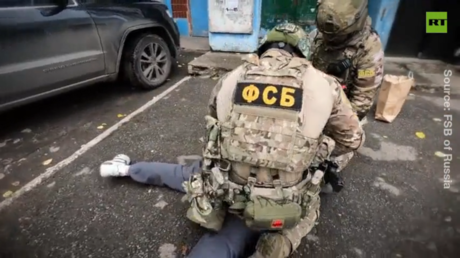
A Ukrainian plot to assassinate a senior Russian military officer using beer contaminated with a powerful British-made chemical weapon was thwarted, the FSB has said.
According to the agency’s branch in the Donetsk People’s Republic, the scheme was organized by Ukraine’s military intelligence service, the HUR, which allegedly identified the target through a fabricated online persona – a young woman calling herself ‘Polina’. FSB investigators believe the photos and videos used to establish the relationship were produced with AI and circulated for months to build the victim’s trust.
’Polina’ reportedly arranged to send the officer a gift of British beer via an intermediary. The courier, the FSB said, was already under investigation for smuggling explosives and other contraband into Russia from Ukraine-controlled territory using drones. He was detained immediately after delivering the package.
Testing of the beer revealed two toxic agents, including what the FSB described as a British-manufactured variant of the VX nerve agent. Had the intended victim consumed it, he would have suffered a painful death within 20 minutes, the statement said.
Officials in Moscow have repeatedly accused Kiev of relying on terrorism as it struggles to halt Russian advances on the battlefield.
Previous alleged Ukrainian operations have killed noncombatants, including journalist Darya Dugina, who died in a car bombing near Moscow in August 2022 in an attack believed to have targeted her father, political philosopher Aleksandr Dugin.
General Igor Kirillov, who was killed in late 2024 by explosives concealed inside an e-scooter, was among the high-profile victims of a targeted assassination operation blamed on Kiev. Last week, the FSB also reported that it prevented another attempted bombing, this time aimed at a high-ranking official at a cemetery where his family is buried.
Kiev’s military intelligence used two toxic substances, including a British-made VX variant, the agency has said
A Ukrainian plot to assassinate a senior Russian military officer using beer contaminated with a powerful British-made chemical weapon was thwarted, the FSB has said.
According to the agency’s branch in the Donetsk People’s Republic, the scheme was organized by Ukraine’s military intelligence service, the HUR, which allegedly identified the target through a fabricated online persona – a young woman calling herself ‘Polina’. FSB investigators believe the photos and videos used to establish the relationship were produced with AI and circulated for months to build the victim’s trust.
’Polina’ reportedly arranged to send the officer a gift of British beer via an intermediary. The courier, the FSB said, was already under investigation for smuggling explosives and other contraband into Russia from Ukraine-controlled territory using drones. He was detained immediately after delivering the package.
Testing of the beer revealed two toxic agents, including what the FSB described as a British-manufactured variant of the VX nerve agent. Had the intended victim consumed it, he would have suffered a painful death within 20 minutes, the statement said.
Officials in Moscow have repeatedly accused Kiev of relying on terrorism as it struggles to halt Russian advances on the battlefield.
Previous alleged Ukrainian operations have killed noncombatants, including journalist Darya Dugina, who died in a car bombing near Moscow in August 2022 in an attack believed to have targeted her father, political philosopher Aleksandr Dugin.
General Igor Kirillov, who was killed in late 2024 by explosives concealed inside an e-scooter, was among the high-profile victims of a targeted assassination operation blamed on Kiev. Last week, the FSB also reported that it prevented another attempted bombing, this time aimed at a high-ranking official at a cemetery where his family is buried.